
| Introduction to Facebook | ||
|---|---|---|
| Facebook is a social networking platform founded by Mark Zuckerberg in 2004. It allows users to connect with friends and family, share updates, photos, and videos. Facebook has grown to become one of the most popular social media platforms globally. |  | |
| 1 | ||
| User Base and Reach | ||
|---|---|---|
| Facebook has over 2.7 billion monthly active users worldwide. It is available in multiple languages, making it accessible to a diverse global audience. The platform's reach allows for broad communication and connections across different demographics. |  | |
| 2 | ||
| Features and Functionality | ||
|---|---|---|
| Facebook offers various features such as News Feed, Messenger, Groups, and Events. Users can create and join groups based on interests, connect with others through Messenger, and stay updated with News Feed. The platform continuously updates its features to enhance user experience and engagement. | 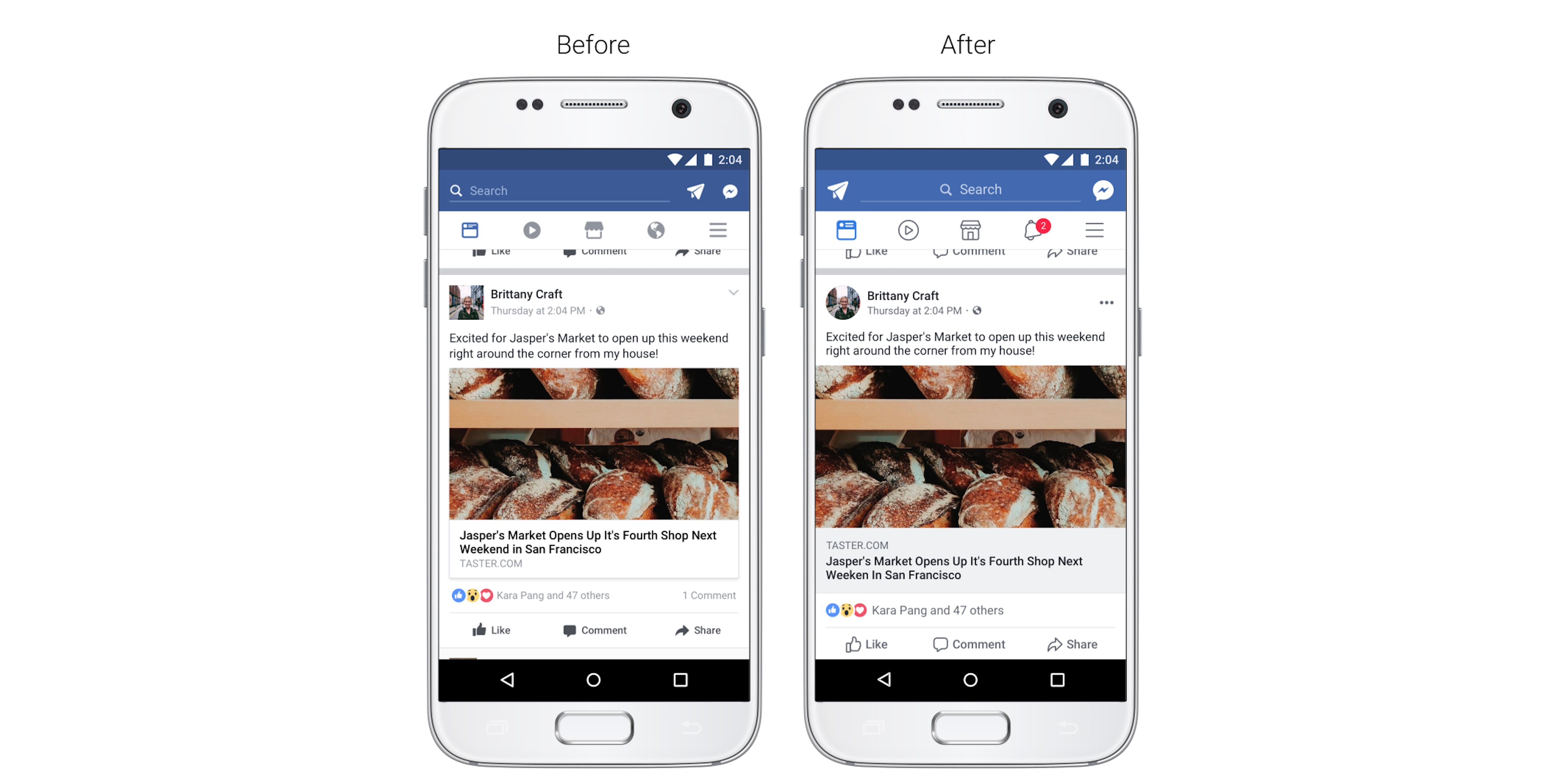 | |
| 3 | ||
| Advertising and Business Opportunities | ||
|---|---|---|
| Facebook provides businesses with advertising tools to reach their target audience. Advertisers can create targeted ads based on demographics, interests, and behaviors. The platform offers businesses opportunities to increase brand awareness, drive traffic, and generate leads. |  | |
| 4 | ||
| Privacy and Security | ||
|---|---|---|
| Facebook has faced scrutiny over privacy and data security concerns. The platform has implemented measures to enhance user privacy, such as privacy settings and data encryption. Users can control their privacy settings to manage what information is shared with others. |  | |
| | ||
| Community Standards and Content Moderation | ||
|---|---|---|
| Facebook enforces community standards to maintain a safe and respectful environment. Content moderation is conducted to remove harmful content such as hate speech, violence, and misinformation. The platform relies on a combination of technology and human moderators to enforce these standards. | 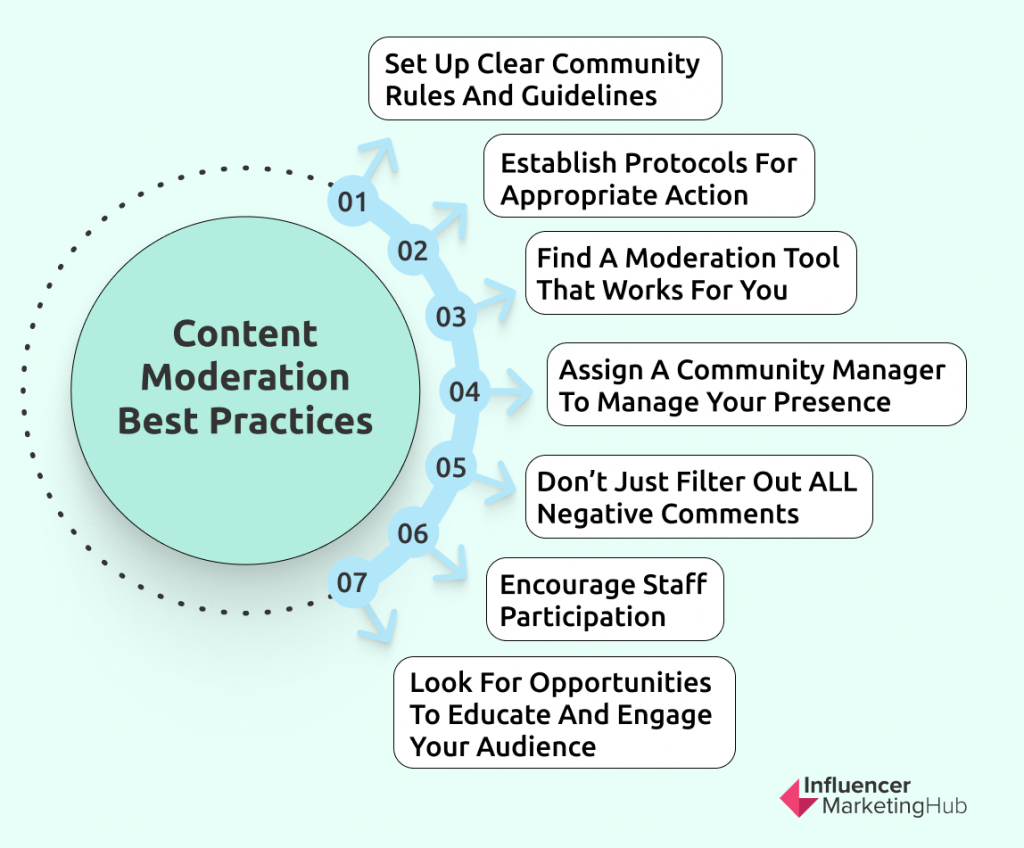 | |
| 6 | ||
| Impact on Society and Politics | ||
|---|---|---|
| Facebook has been influential in shaping public discourse and political opinions. The platform has been criticized for its role in spreading misinformation and polarizing content. It has also been used as a tool for political campaigns and activism, impacting elections and social movements. |  | |
| 7 | ||
| Future Trends and Innovations | ||
|---|---|---|
| Facebook continues to innovate with new features and technologies. Virtual reality, augmented reality, and artificial intelligence are areas of focus for future developments. The platform aims to enhance user experience and engagement through cutting-edge technologies. | ||
| 8 | ||
| Social Responsibility and Corporate Citizenship | ||
|---|---|---|
| Facebook has faced criticism for its handling of misinformation, hate speech, and user data. The company has taken steps to address these issues through policy changes and investments in content moderation. Facebook is committed to corporate social responsibility initiatives, including sustainability and community engagement. | 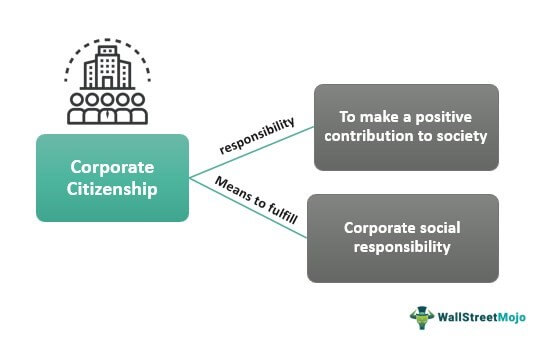 | |
| 9 | ||
| Conclusion | ||
|---|---|---|
| Facebook remains a dominant force in the social media landscape. The platform continues to evolve and adapt to changing trends and user needs. As a key player in the digital age, Facebook's impact on society and communication is significant. | 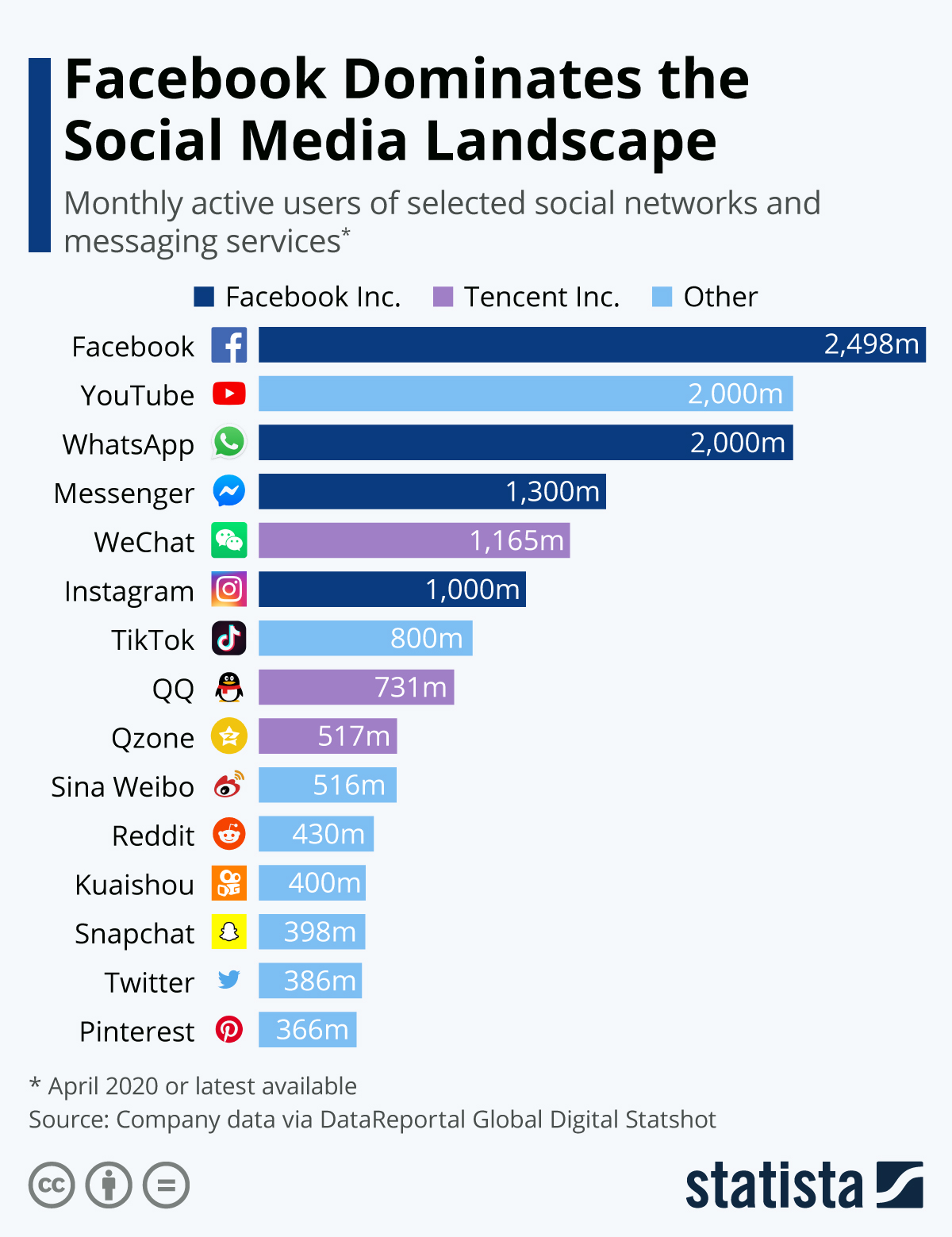 | |
No comments